
Signs You May Have Sleep Apnea (And What to Do About It)
3 min read
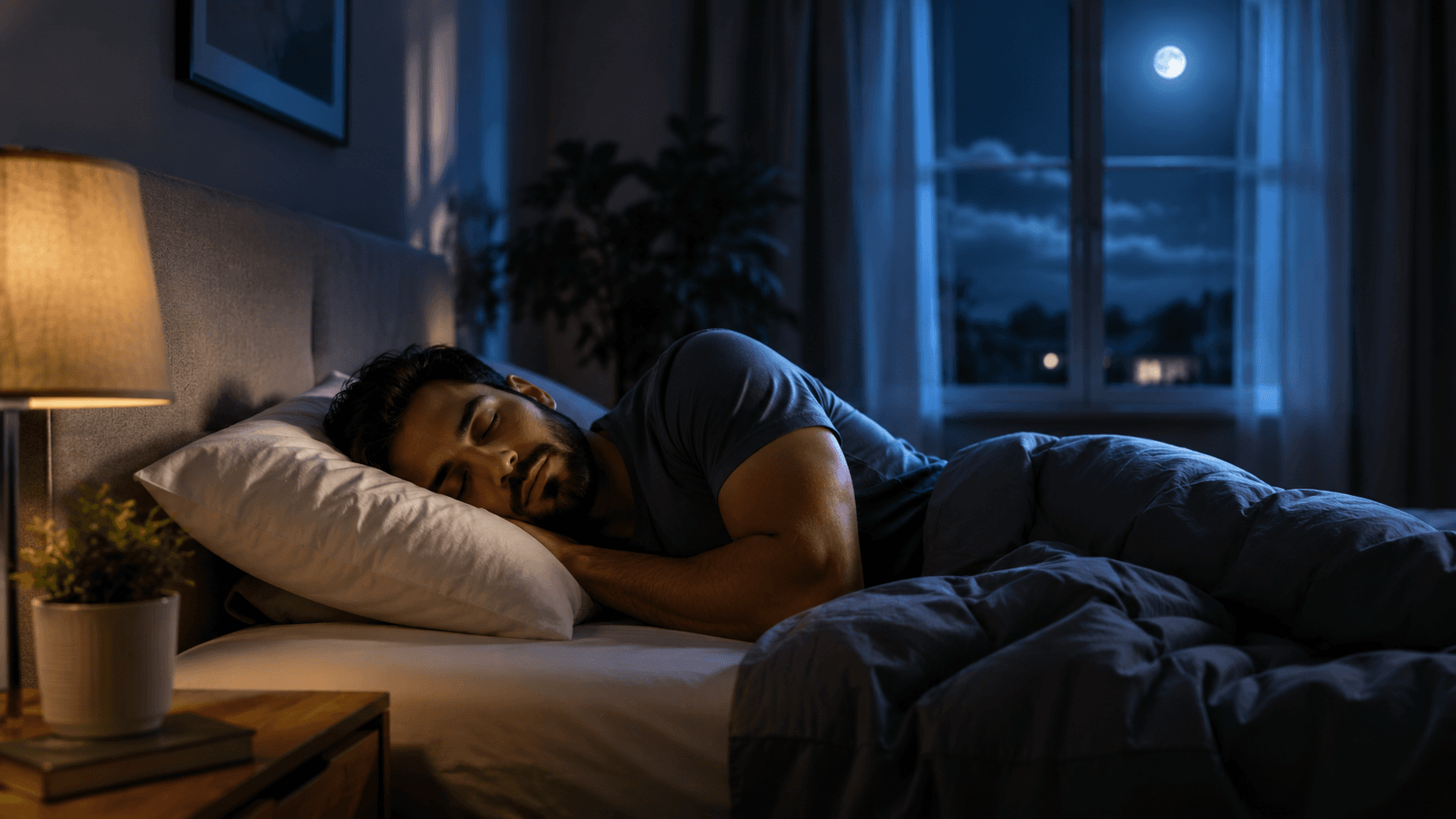
Many people live with undiagnosed sleep apnea for years, often dismissing the symptoms as normal tiredness or "just how they sleep." Recognizing the signs early can make a significant difference in your health and quality of life.
What Is Sleep Apnea?
Sleep apnea is a condition where your breathing repeatedly stops and starts during sleep, usually because throat muscles relax and block the airway (obstructive sleep apnea) — the most common form. These interruptions can happen dozens or even hundreds of times a night, often without the person even realizing it.
Common Signs and Symptoms
1. Loud, Persistent Snoring
Occasional light snoring is normal, but loud, chronic snoring — especially when it's disruptive to a partner or interrupted by gasping or choking sounds — is one of the most recognized indicators of sleep apnea.
2. Gasping or Choking During Sleep
If you or someone sleeping near you notices you waking up gasping for air, this is a direct sign your breathing was interrupted during sleep.
3. Excessive Daytime Fatigue
Because sleep apnea repeatedly disrupts deep sleep, many people wake up feeling unrested no matter how many hours they slept, and struggle with fatigue, drowsiness, or even falling asleep unintentionally during the day.
4. Morning Headaches
Frequent headaches upon waking, particularly ones that fade within an hour or two, can be linked to the drop in oxygen levels that occurs during sleep apnea episodes.
5. Difficulty Concentrating or Irritability
Poor sleep quality over time affects memory, focus, and mood — many people attribute this to stress or aging without realizing disrupted breathing at night is the underlying cause.
6. Dry Mouth or Sore Throat on Waking
Frequent mouth breathing due to airway obstruction often leads to waking up with a noticeably dry mouth or scratchy throat.
Who Is Most at Risk?
While sleep apnea can affect anyone, risk increases with factors like excess weight, a naturally narrow airway, age, smoking, and family history.
What Should You Do Next?
If several of these symptoms sound familiar, the right next step is a conversation with your doctor, who may recommend a sleep study to properly diagnose the condition and its severity. This is important — sleep apnea should never be self-diagnosed or self-treated without a proper medical evaluation, since the right treatment depends entirely on accurate diagnosis.
Treatment Options
Once diagnosed, CPAP therapy is the most common and effective first-line treatment for obstructive sleep apnea, with BiPAP recommended in certain cases. Learn more about how these two therapies differ in our guide: CPAP vs BiPAP: What's the Difference.
If you've already been prescribed therapy, browse our full range of genuine CPAP machines and BiPAP machines, or reach out for a free consultation — our team can help you find the right equipment based on your prescription.
This article is for informational purposes only and is not a substitute for professional medical advice or diagnosis.